What Is Dry Van Trucking? Everything a New Driver Should Know
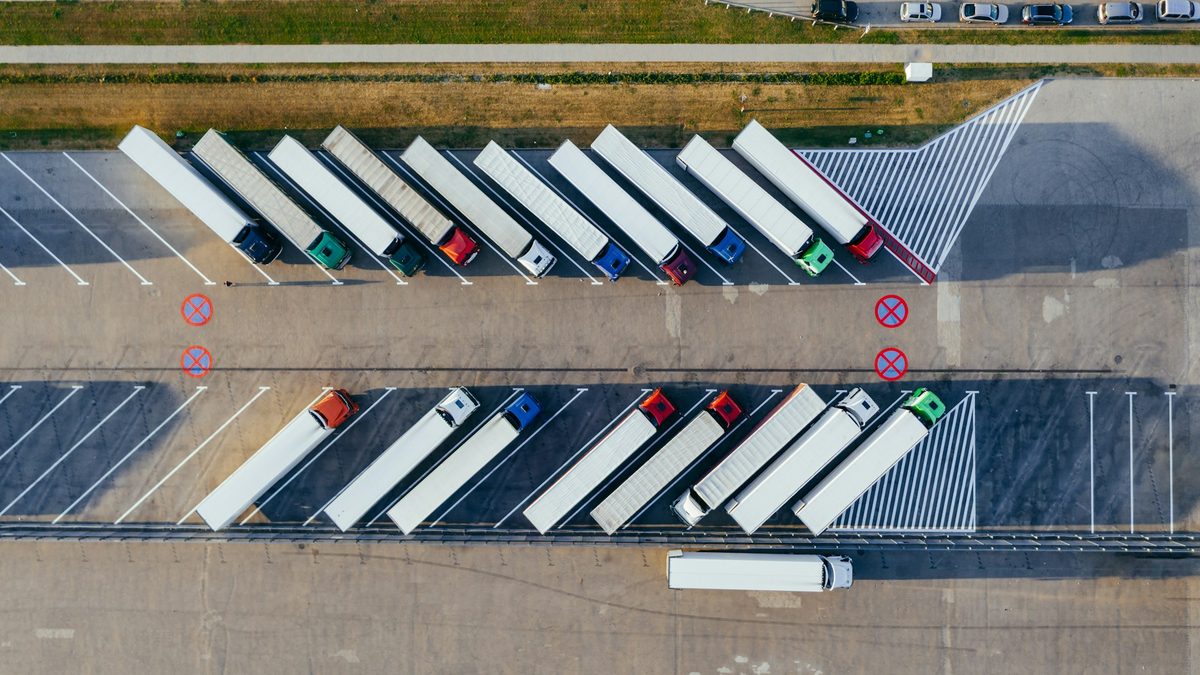
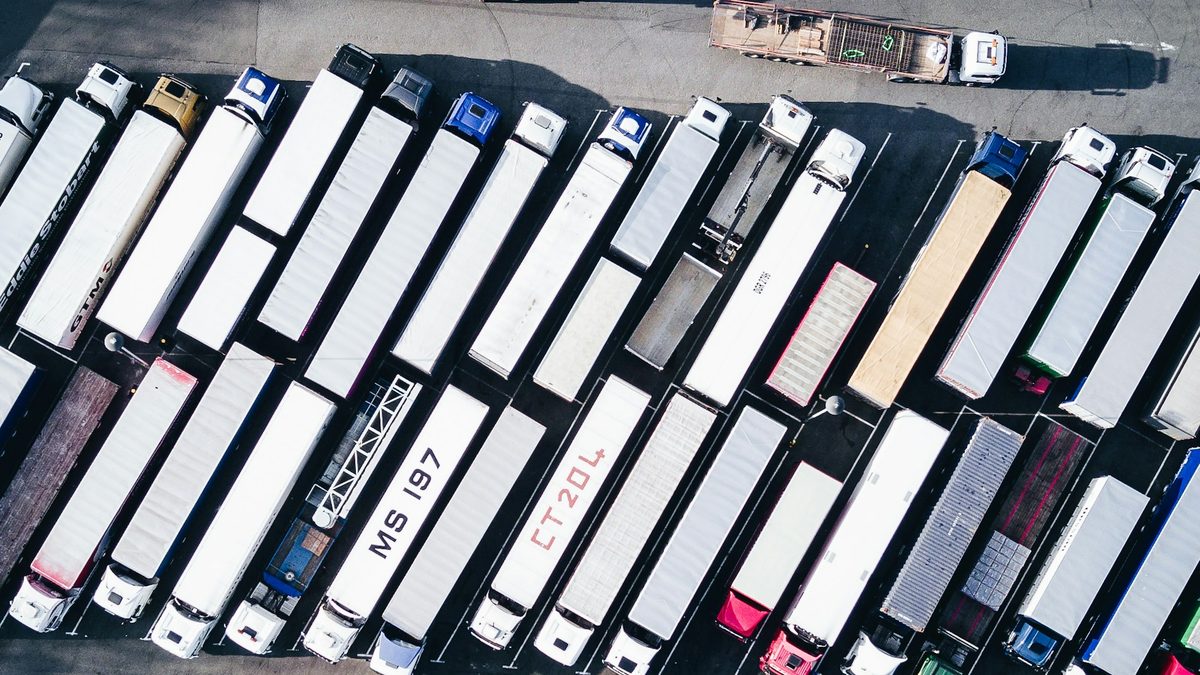
So, what is dry van trucking? It's hauling freight in an enclosed box trailer that has no heating or cooling. The trailer keeps cargo dry and protected from weather and theft. It's one of the most common trailers on the interstate, and it moves a lot of the everyday goods that go from warehouses to stores.
For CDL-A drivers, dry van is often the easiest way into the industry. Here's what the work looks like and the rules that come with it.
Key takeaways
- A dry van is an enclosed, non-refrigerated trailer for boxed, palletized and packaged freight.
- Federal rules set a 102-inch width on the National Network and an 80,000-pound gross limit on the Interstate System.
- Cargo inside the van must be secured so it can't shift and affect handling.
- Dry van work has no reefer unit to watch and no tarps or straps like flatbed, which makes it a good fit for new drivers.
What is dry van trucking, exactly?
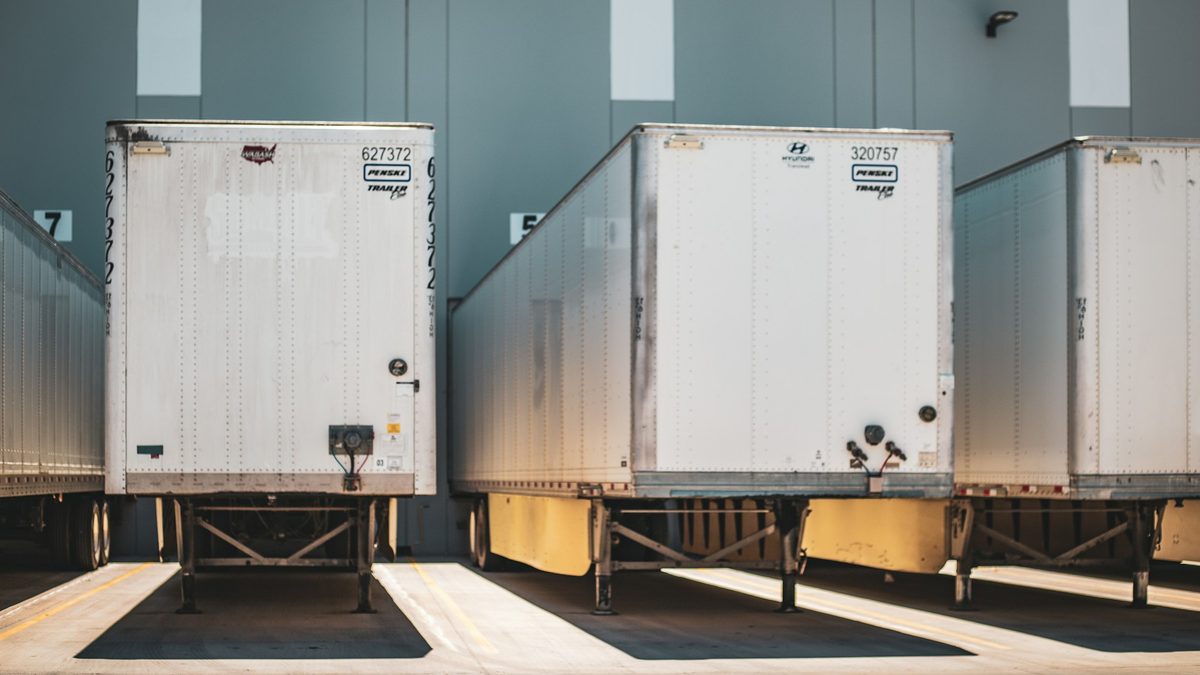
A dry van is a box on wheels. It has solid walls, a roof, a floor and doors at the back. Most dry vans you'll pull are 53 feet long, though you'll still see some 48-footers.
Freight is loaded and unloaded at a dock, usually with forklifts or pallet jacks. Many dry vans have swing doors that open out to the sides, and some have roll-up doors.
Because the trailer isn't temperature-controlled, it hauls freight that does fine at outside temperatures. That covers a huge range of products.
What dry vans haul
- Packaged food and drinks that don't need refrigeration
- Household goods, clothing and electronics
- Paper, plastics and packaging
- Auto parts and building supplies in boxes or on pallets
- E-commerce and retail freight headed to distribution centers
Dry van vs. reefer vs. flatbed
Dry van: Enclosed and unheated. You focus on driving, the load and your appointment times.
Reefer: A refrigerated trailer with a cooling unit on the front. You also monitor temperatures and fuel for the unit, and some loads must be kept frozen or chilled within a set range.
Flatbed: An open deck for things like steel, lumber and machinery. You secure the load yourself with straps, chains and often tarps, which is hard physical work in all weather.
Each has its place. Dry van has fewer moving parts to manage, which is why many drivers start there. If you're still deciding what kind of job you want, see our guide to dedicated lanes vs OTR.
Size and weight limits for dry vans
Federal rules in 23 CFR 658 set the baseline for trucks on major highways. States can allow more in some cases, so always check the rules for the states you run.
- Width: Under 23 CFR 658.15, states can't set a width limit of more or less than 102 inches on the National Network. Hawaii is the exception.
- Length: Under 23 CFR 658.13, no state can limit a semitrailer in a tractor-semitrailer combination to less than 48 feet on the National Network. Each state sets its own upper limit.
- Weight: Under 23 CFR 658.17, the Interstate System limit is 80,000 pounds gross, 20,000 pounds on a single axle and 34,000 pounds on a tandem. The Bridge Formula can lower the allowed weight.
Dry van freight like paper or canned goods can hit weight limits before the trailer is full. Lighter freight like paper towels can fill the trailer long before it gets heavy. Either way, know your weights before you roll.
Securing freight inside a dry van
Closed doors don't mean the load can't move. 49 CFR 393.100 says cargo must be contained, immobilized or secured so it can't shift in a way that hurts the truck's stability or handling.
Under 49 CFR 393.106, cargo can be secured using structures of adequate strength, dunnage or dunnage bags, shoring bars, tiedowns or a mix of these. In a dry van, that often means load bars or straps across partial loads and pallets placed tight against each other.
When you have to check the load
49 CFR 392.9 says you must inspect your cargo and securement within the first 50 miles of a trip. After that, recheck when you change duty status, or after 3 hours or 150 miles of driving, whichever comes first.
There's an exception that comes up a lot in dry van work. Those checks don't apply if you're driving a sealed trailer and have been told not to open it, or if the load makes inspection impracticable. You still have to inspect the trailer itself before you drive. Our pre-trip inspection checklist walks through it.
Driving a dry van: what to watch for
Wind. A tall, flat-sided trailer catches wind like a sail, especially when it's empty. The CDL manual warns that strong winds make it hard to stay in your lane, and it can be especially bad coming out of tunnels. Slow down, and if it gets too bad, park it. Our winter driving tips for truck drivers cover more bad-weather habits.
Overhead clearance. The CDL manual points out that an empty van rides higher than a loaded one. Clearing a bridge loaded doesn't mean you'll clear it empty. Don't trust posted heights blindly, since repaving or packed snow can reduce clearance.
Docks and yards. Dry van work means a lot of backing into dock doors and moving through busy yards. Get out and look as often as you need to.
Live load vs. drop-and-hook. On a live load, you wait while the freight is loaded or unloaded. On drop-and-hook, you swap a trailer and go. Both count as on-duty time on your logs. Read more in our guide to hauling Amazon freight.
Is dry van trucking a good fit for you?
Dry van is a solid choice if you want steady freight and simpler equipment. You won't be strapping and tarping in the rain, and you won't be watching a reefer temperature all night.
The tradeoff is that the job runs on appointments. Being on time, planning your hours and backing well matter a lot. If you can do those things, dry van can be a long, steady career.
Run dry van freight with JOMA Cargo
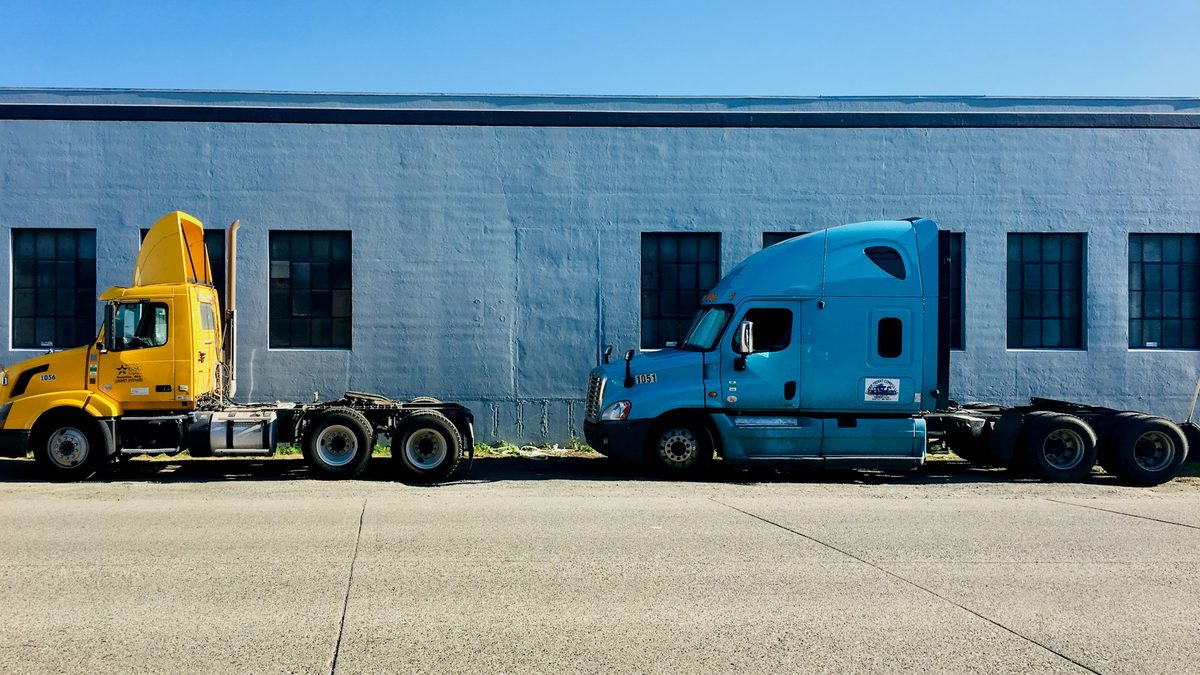
JOMA Cargo is an interstate dry van carrier. We run dedicated interstate lanes and Amazon freight with Freightliner Cascadia and Volvo tractors, backed by 24/7 dispatch and safety support.
We're hiring CDL-A drivers. Email hiring@jomacargo.com with questions, or apply at /driver.
Questions drivers ask
What is a dry van in trucking?
A dry van is an enclosed trailer with no heating or cooling. It protects freight from weather and theft and hauls goods that are fine at outside temperatures, like packaged food, household goods and paper products. It's one of the most common trailer types on the road.
How much weight can a dry van carry?
On the Interstate System, federal rules in 23 CFR 658.17 limit gross weight to 80,000 pounds, with 20,000 pounds on a single axle and 34,000 pounds on a tandem. The Bridge Formula can lower the limit. How much freight you can haul depends on the weight of your tractor and trailer.
Is dry van good for new truck drivers?
Many new drivers start in dry van because there's no reefer unit to manage and no tarping or strapping like flatbed. You'll still need strong backing skills and good trip planning, since a lot of dry van freight runs on appointment times.
Do I have to check my load in a sealed dry van?
Under 49 CFR 392.9, the 50-mile and en route cargo checks don't apply if you're driving a sealed trailer and have been told not to open it. You still need to inspect the trailer itself before driving and make sure you're within weight limits.
Sources
- eCFR 23 CFR 658.13 Length
- eCFR 23 CFR 658.15 Width
- eCFR 23 CFR 658.17 Weight
- eCFR 49 CFR 393.100 Cargo securement general requirements
- eCFR 49 CFR 393.106 General requirements for securing articles of cargo
- eCFR 49 CFR 392.9 Inspection of cargo, cargo securement devices and systems
- Ohio Department of Public Safety: CDL Driver Manual (HSY 7605)
This article is general information for drivers, not legal or medical advice. Rules change, so check the linked FMCSA and state sources for the current version.