Hauling Amazon Freight as a CDL-A Driver: A Day-to-Day Guide
Hauling Amazon freight as a CDL-A driver usually means steady dry van work built around drop-and-hook moves, set appointment windows and busy distribution center yards. The basics are the same as any freight: a solid pre-trip, a safe coupling and clean logs. What changes is the pace and how much the schedule matters.
Every carrier and facility runs things a little differently, so your dispatcher will give you the details for each load. This guide covers what drivers can generally expect.
Key takeaways
- High-volume e-commerce freight usually moves in dry van trailers, often as drop-and-hook.
- Appointment windows are tight. Plan your trip and your hours of service around them.
- Time waiting at a facility to be dispatched, and time spent at the dock, counts as on-duty time under federal rules.
- You're still responsible for inspecting every trailer you hook, even a sealed one you can't open.
What hauling Amazon freight usually looks like
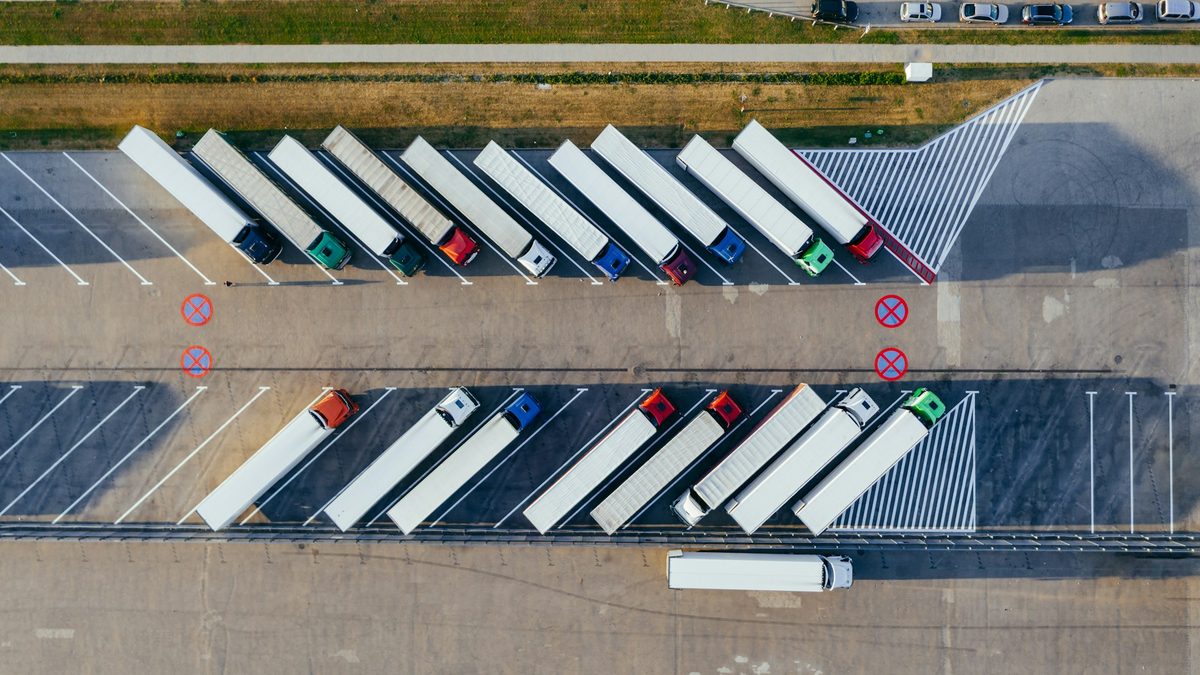
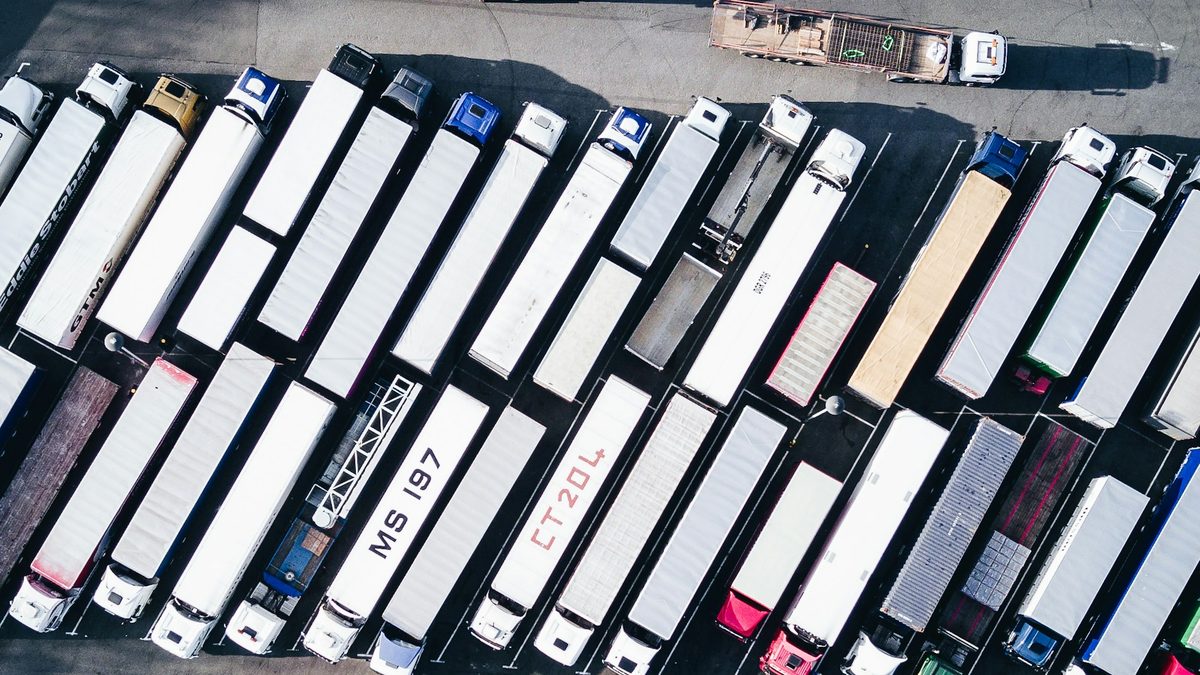
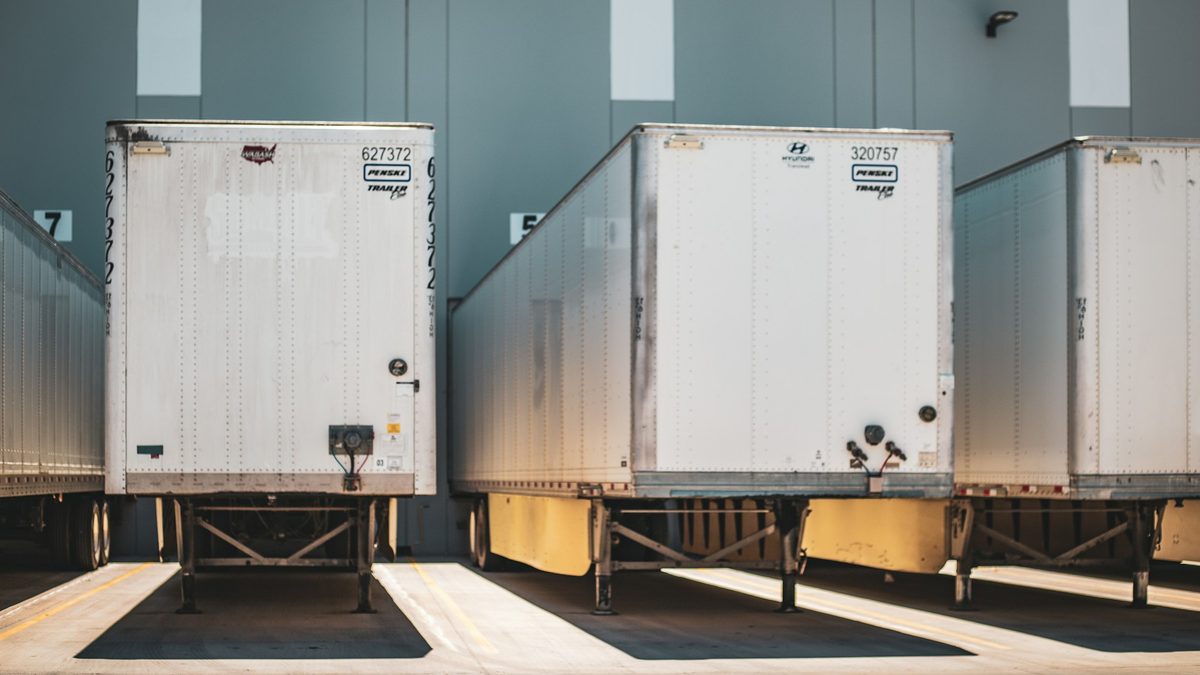
Large distribution centers move a lot of trailers every day. To keep doors turning, much of that freight runs as drop-and-hook. You drop a loaded or empty trailer in the yard and hook to another one that's ready to go.
That means less time sitting at a dock waiting on a live load or unload. It also means you'll couple and uncouple a lot. Good coupling habits matter more here than almost anywhere.
The freight itself is usually boxed and palletized consumer goods in a dry van. If you're new to that type of trailer, start with our guide on what dry van trucking is.
Appointment windows: plan backward
High-volume facilities run on schedules. Each load usually has an appointment time or window for pickup and delivery. Showing up late can mean a missed slot and a long wait for the next one.
The fix is planning backward from the appointment:
- Check your available hours before you accept the load.
- Build in time for fuel, your 30-minute break and traffic around the city you're delivering to.
- Know where you'll park if you arrive early. Some facilities don't allow overnight parking.
- Call dispatch early if weather or a breakdown puts the appointment at risk.
Never let a tight window push you into speeding or running out of hours. A missed appointment can be fixed. A crash or an hours violation is much harder to undo.
Yard check-in and gate procedures
Large distribution centers usually have a guard shack or check-in gate. Procedures vary by site, but expect to provide some combination of:
- Your load or reference number
- Your tractor and trailer numbers
- Seal numbers, if you're bringing in a sealed trailer
- Your ID and carrier information
After check-in, you'll be told where to drop your trailer and where to find your outbound one. Yards are crowded with yard tractors, other drivers and people on foot. Drive slowly, use your flashers where required and get out and look before you back.
Yard time and your logs
Under 49 CFR 395.2, on-duty time includes time at a shipper's or carrier's facility waiting to be dispatched, unless you've been relieved from duty. It also includes time inspecting your equipment and time loading, unloading or attending a truck being loaded.
If your carrier has set up your ELD for yard moves, you'll select that special driving category when moving around the lot, as allowed under 49 CFR 395.28. Ask how your carrier wants you to log yard time. Our guide to ELD rules for truck drivers covers this in more detail.
One piece of good news: under 49 CFR 395.3, your 30-minute break can be on-duty not driving time. A wait at the dock can count toward it, as long as it's 30 minutes in a row.
Drop-and-hook done right
When you hook to a trailer someone else dropped, you don't know its history. The rules are clear that it's on you. 49 CFR 396.13 says that before driving, you must be satisfied the vehicle is in safe operating condition.
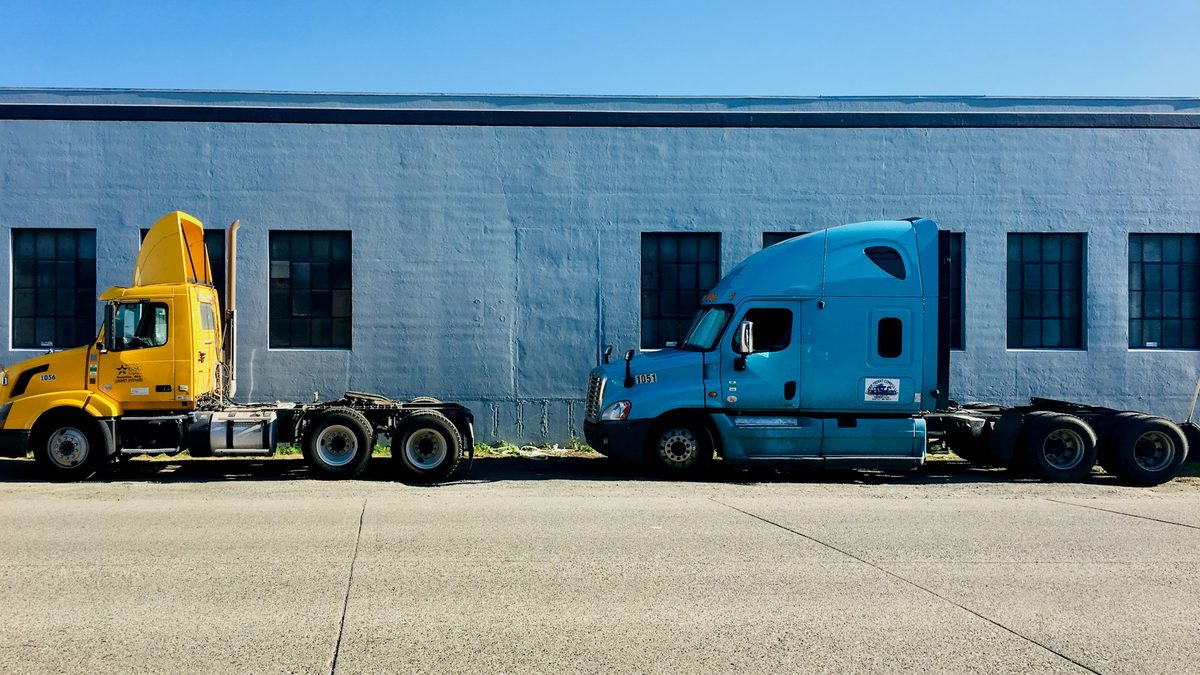
Before you couple, walk the trailer. Check tires, lights, the landing gear and the kingpin. Our pre-trip inspection checklist covers the full walk-around.
The CDL manual lays out the coupling checks that matter most:
- Back under slowly and stop when the kingpin locks into the fifth wheel.
- Raise the landing gear slightly and gently pull forward against the locked trailer brakes. This tug test confirms you're locked on.
- Get out and look. There should be no space between the upper and lower fifth wheel.
- Check that the jaws are closed around the shank of the kingpin and the locking lever is in the lock position.
- Connect the electrical cord, check that the air lines are connected, then raise the landing gear all the way up.
When you drop a trailer, make sure the ground can hold it, lower the landing gear to firm contact and chock the wheels if you're not sure the trailer has spring brakes.
Sealed trailers and weight
Many dry van loads are sealed at the shipper. Record the seal number and check that it matches your paperwork before you leave the yard.
Federal cargo rules normally require you to check your load within the first 50 miles and again during the trip. Under 49 CFR 392.9(b)(4), those checks don't apply if you're driving a sealed trailer and have been told not to open it, or if the load makes inspection impracticable.
You still need to watch your weight. The CDL manual notes that you can't inspect sealed loads, but you should make sure you don't exceed gross and axle weight limits. On the Interstate System, federal limits are 80,000 pounds gross, 20,000 pounds on a single axle and 34,000 pounds on a tandem, under 23 CFR 658.17. The Bridge Formula can set a lower limit. If you scale heavy, call dispatch before you roll.
Finding a place to rest after delivery
When you finish at a facility, you may need somewhere to take your 10-hour break. FMCSA's personal conveyance guidance allows driving to a nearby, reasonable, safe place to rest after loading or unloading. The resting spot must be the first such location reasonably available, and carriers can set tighter limits.
Haul Amazon freight with JOMA Cargo
JOMA Cargo hauls Amazon freight and runs dedicated interstate lanes, all with dry van trailers. You'll drive a Freightliner Cascadia or Volvo, with dispatch and safety support available 24/7.
We're hiring CDL-A drivers. Have questions? Email hiring@jomacargo.com, or apply at /driver.
Questions drivers ask
Is hauling Amazon freight mostly drop-and-hook?
Much high-volume distribution center freight runs as drop-and-hook, where you drop one trailer and hook another instead of waiting for a live load. Details vary by carrier, facility and load. Your dispatcher will tell you what to expect on each run.
Does waiting at a warehouse count against my hours?
Under 49 CFR 395.2, time waiting at a shipper's or carrier's facility to be dispatched is on-duty time unless you've been relieved from duty. Time loading, unloading or attending the truck is on-duty too. It counts toward your 14-hour window and your 60/70-hour limit.
Do I have to inspect cargo in a sealed trailer?
Under 49 CFR 392.9(b)(4), the 50-mile and en route cargo checks don't apply to a driver of a sealed trailer who has been ordered not to open it. You still must inspect the trailer itself before driving and should make sure you're within weight limits.
What kind of trailer is used for Amazon freight?
Boxed and palletized goods that don't need temperature control usually ride in enclosed dry van trailers. Equipment can vary by carrier and load. JOMA Cargo runs dry van trailers pulled by Freightliner Cascadia and Volvo tractors.
Sources
- eCFR 49 CFR 395.2 Definitions (on-duty time)
- eCFR 49 CFR 395.3 Maximum driving time for property-carrying vehicles
- eCFR 49 CFR 395.28 Special driving categories
- eCFR 49 CFR 396.13 Driver inspection
- eCFR 49 CFR 392.9 Inspection of cargo, cargo securement devices and systems
- eCFR 23 CFR 658.17 Weight
- FMCSA: Personal Conveyance guidance
- Ohio Department of Public Safety: CDL Driver Manual (HSY 7605)
This article is general information for drivers, not legal or medical advice. Rules change, so check the linked FMCSA and state sources for the current version.